


By Rev Jan Lubbe, chairman of the Moderamen of the Dutch Reformed Church Free State
(Reflections at the Graduation Ceremony of the University of the Free State, Faculty of Health Sciences and Theology on Friday, 11 April 2025, Bloemfontein)
Why these two faculties together?
Should Theology not rather be together with –
- Faculty of the Humanities? The study of literature, philosophy, psychology, music …
- Faculty of Education? The study of teaching, training, to pass knowledge on to children and young people …
- Faculty of Natural and Agricultural Sciences? The study of soil and water and air, of creation …
In the winter of 1899 – 126 years ago – two missionaries from the Free State arrived in the north of Zambia, first at Magweru, and later settled at Madzimoyo.
Fifty years later – in 1949 – the Reformed Church in Zambia, which grew out of the work of these missionaries and today has more than 2 million members, erected a monument at Madzimoyo.
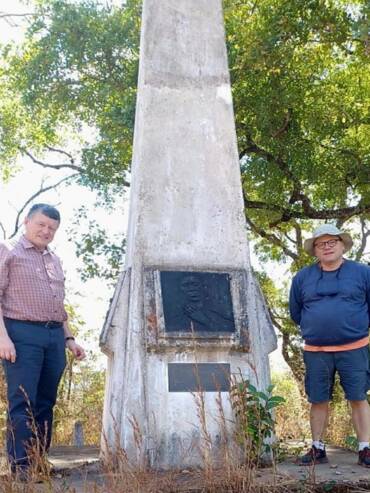
On the front of the monument is a plaque with the following inscription (read):
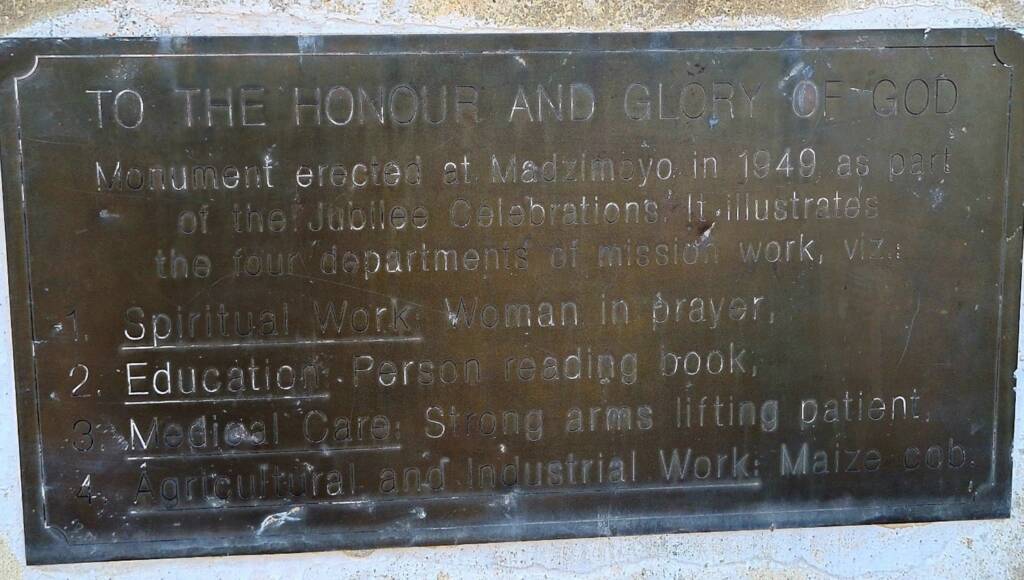
On the four sides of the monument: the four tasks that were regarded as belonging to the Gospel, to the essence of the Good News for all people, about God’s love, grace, and care:
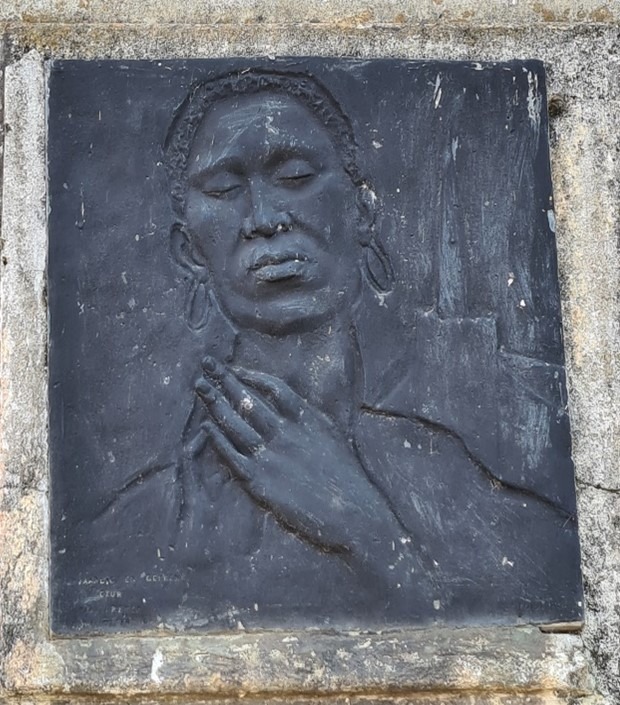
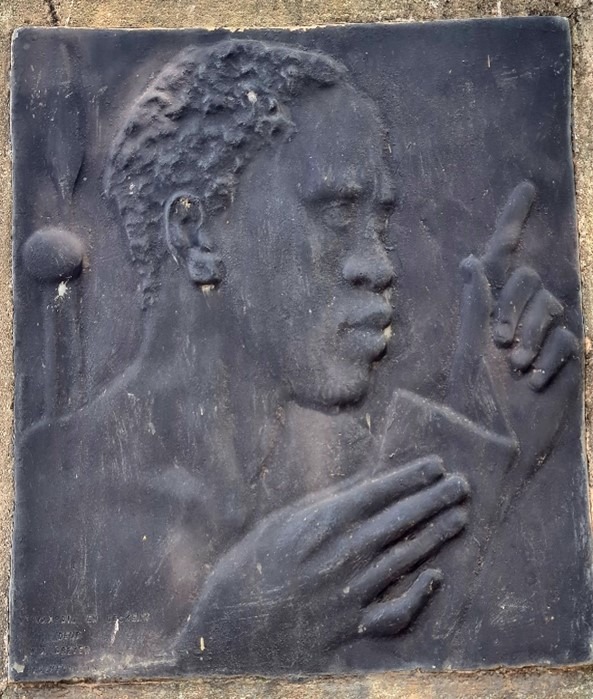
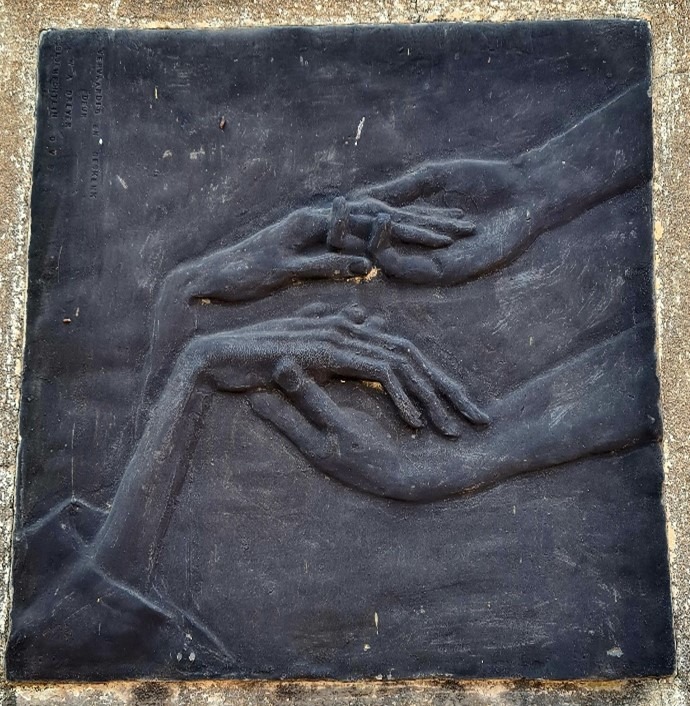
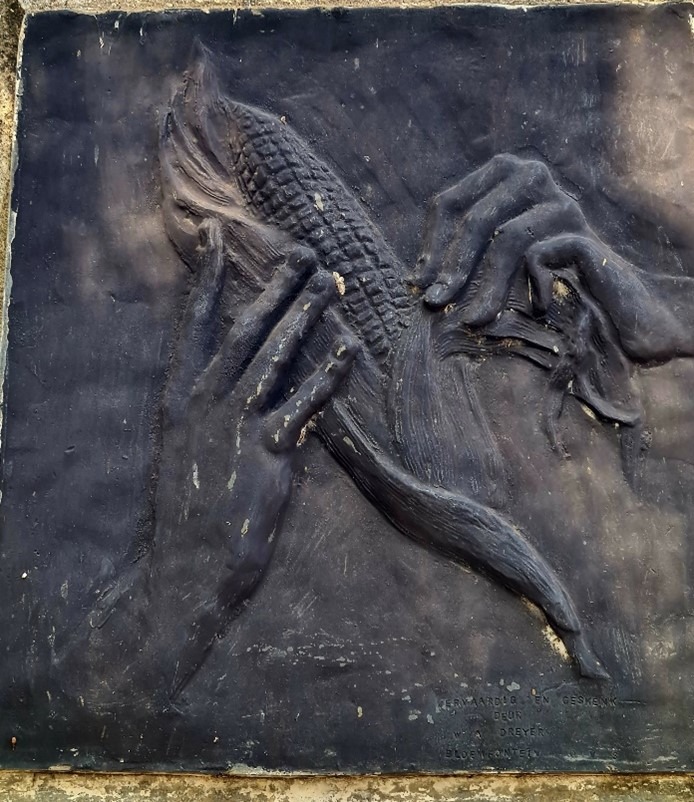
Still today, in Zambia, there exists a close connection among these four sectors in society, a society that strives for the wholeness of people.
And here we are tonight, at a university that previously awarded an honorary doctorate to one of the most remarkable women ever sent by the Dutch Reformed Church in the Free State – Ella Botes – who is still remembered at Magweru for the school for blind and deaf children that she established there. She received her honorary doctorate here at the University of the Free State for her lifelong work. She is also buried in Magweru.
Here we are tonight, with three doctoral students from Zambia who are receiving their PhD’s in theology and ministry.
Here we are tonight with you as young theologians and ministers, and young doctors and medical professionals, to send you out, and to say: go, go and care for all our people, in the Free State and beyond.
These two belong together, indeed, in truth: theology and medicine – the hands that pray and the hands that heal.
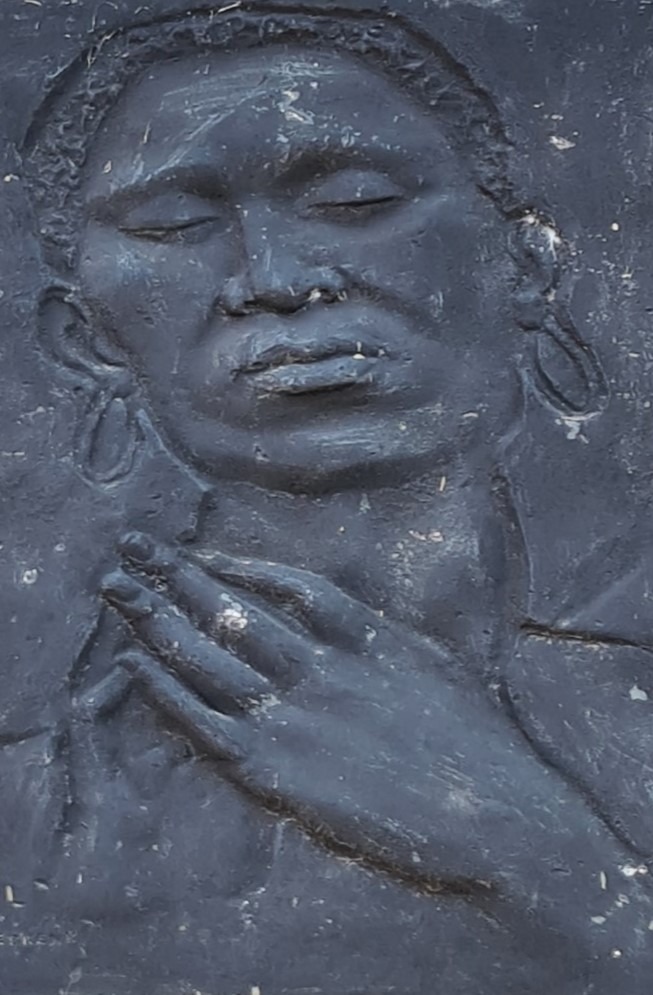
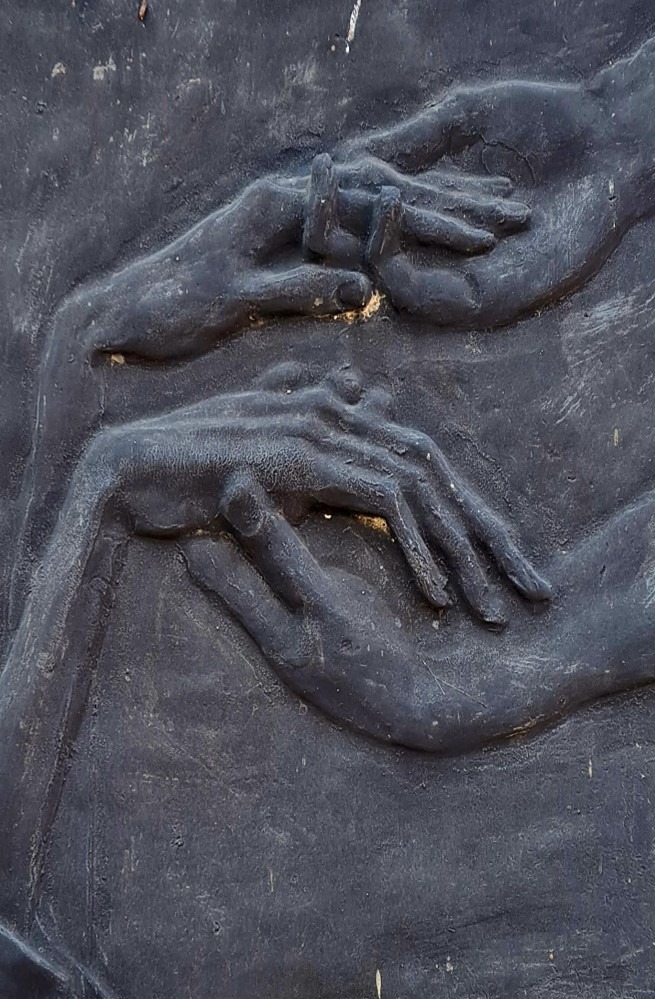
Why? And this is also my little bit of advice to you as young ministers and young doctors, and to you who, after years of research and study, are tonight crowned with a doctorate/PhD:
The two hands, in both images – because …
1) Doctors and ministers share the same calling: to care for people, to heal, to comfort, to support, so that people may thrive – and our country and communities have a profound need for this.
2) Ministers and doctors have the same starting point, namely, to see and treat the person in front of me in a consultation room or in a hospital bed with dignity and respect.
3) Doctors and ministers have the same quest: to find the truth about who this person in front of me is, and how I can best help and heal them, what medicine I should prescribe – and for this reason we also share the same responsibility: to discern what is false and what is true, to make the correct diagnosis. We must pursue the same level of excellence, because it is about this human being in front of me.
4) Ministers and doctors have the same temptation: to see the person before me only as someone who is ill, as someone only in need of help, and so easily forget that this person is a body and a soul, a whole being, and that they live in a web of relationships – a relationship of love, a family, a community.
5) Doctors and ministers have the most incredible privilege: to be close to people at the crossroads of life, at the beginning and end of life, and therefore bear the responsibility to speak with each other about where and how life begins, what quality of life is, and where and how life ends.
Returning to the images of the hands on the monument at Madzimoyo:
The tenderness of those hands stands out –
- It is the tenderness of prayer – so personal, intimate, sincere, so intensely necessary in our times of materialism and the powers surrounding us.
- It is the tenderness – and strength – with which one person helps up another who has fallen, or has become too weak, leading them back toward life, but also assuring them that, when the final moment arrives, you will not be alone. As your pastor, as your carer, we will be here for you, to help, to support you on your passage to the Beyond, we will walk each other Home.
May you as young doctors and young ministers go forth with courage and zeal, and with excellence. May you soon find a place to work, and may you begin there to make our country and all her people whole. And may you have the courage to be there – as Henri Nouwen once said: ‘What you need to show with real compassion, with warmth, is courage, the strength to remain with the fallen, the sick, the poor, to show compassion and to share in their despair – so that they are not alone.’
And to those of you who will continue studying, or who will work further in academia, in the training of doctors and ministers – may you always cherish the tenderness of our hands, and the incredible ability God has given us to heal, and may you continue to pass that on to the ministers and doctors of tomorrow.
I thank you.
Photos were provided by Prof Jan-Albert van den Berg
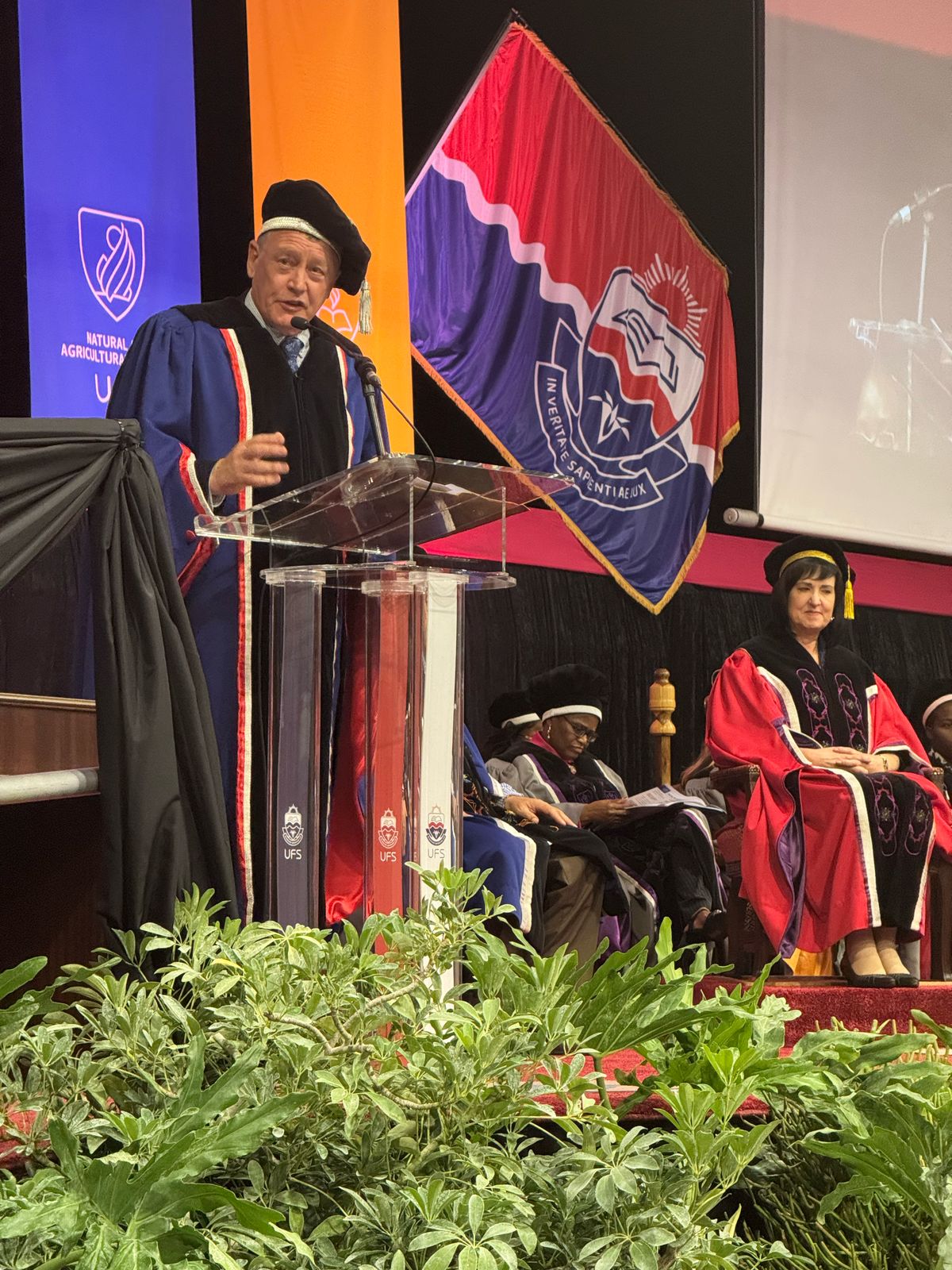
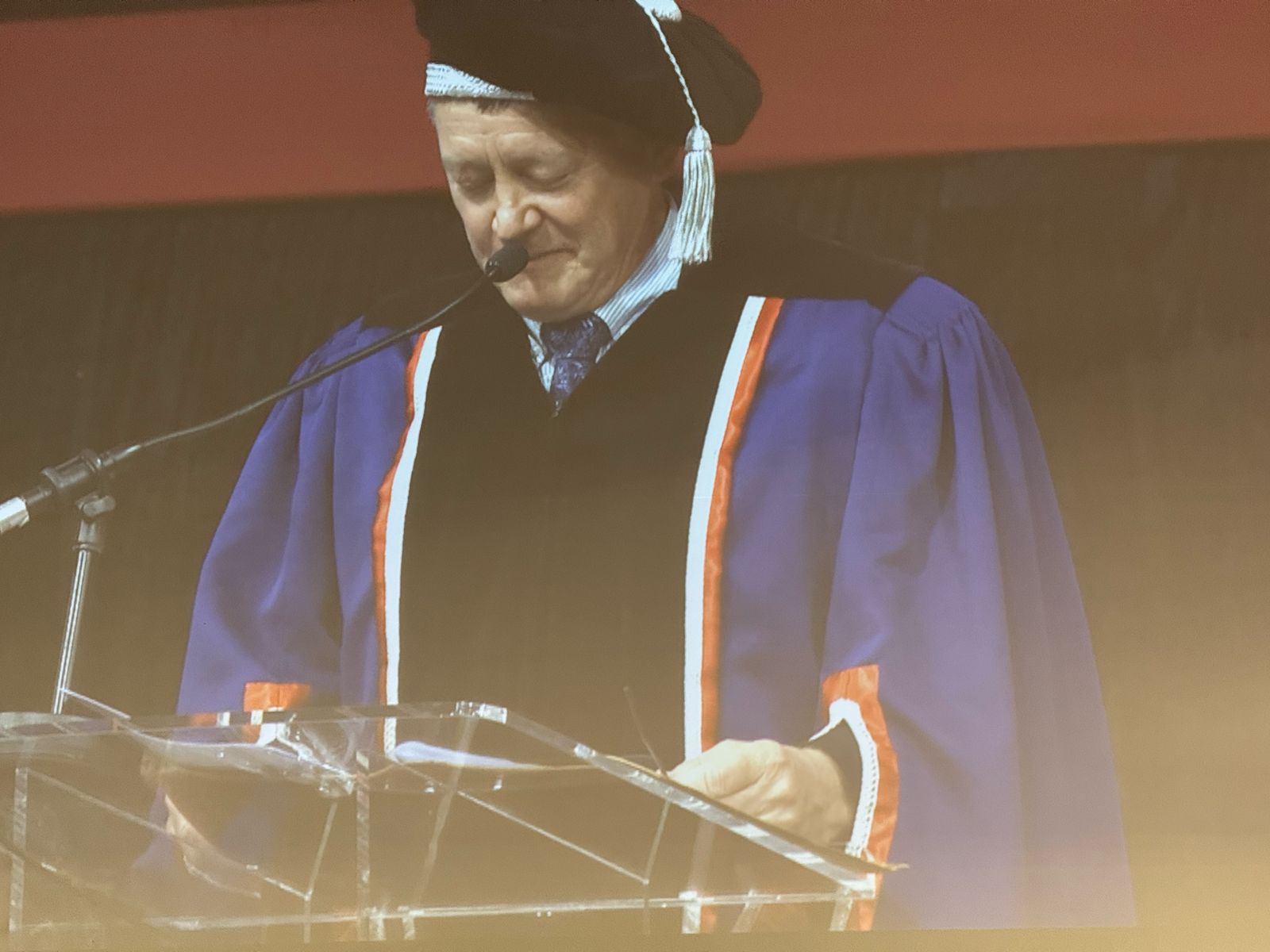
Photos (provided): Rev Jan Lubbe during his lectureon the evening of April 11, 2025 at the graduation ceremony of the UFS.

